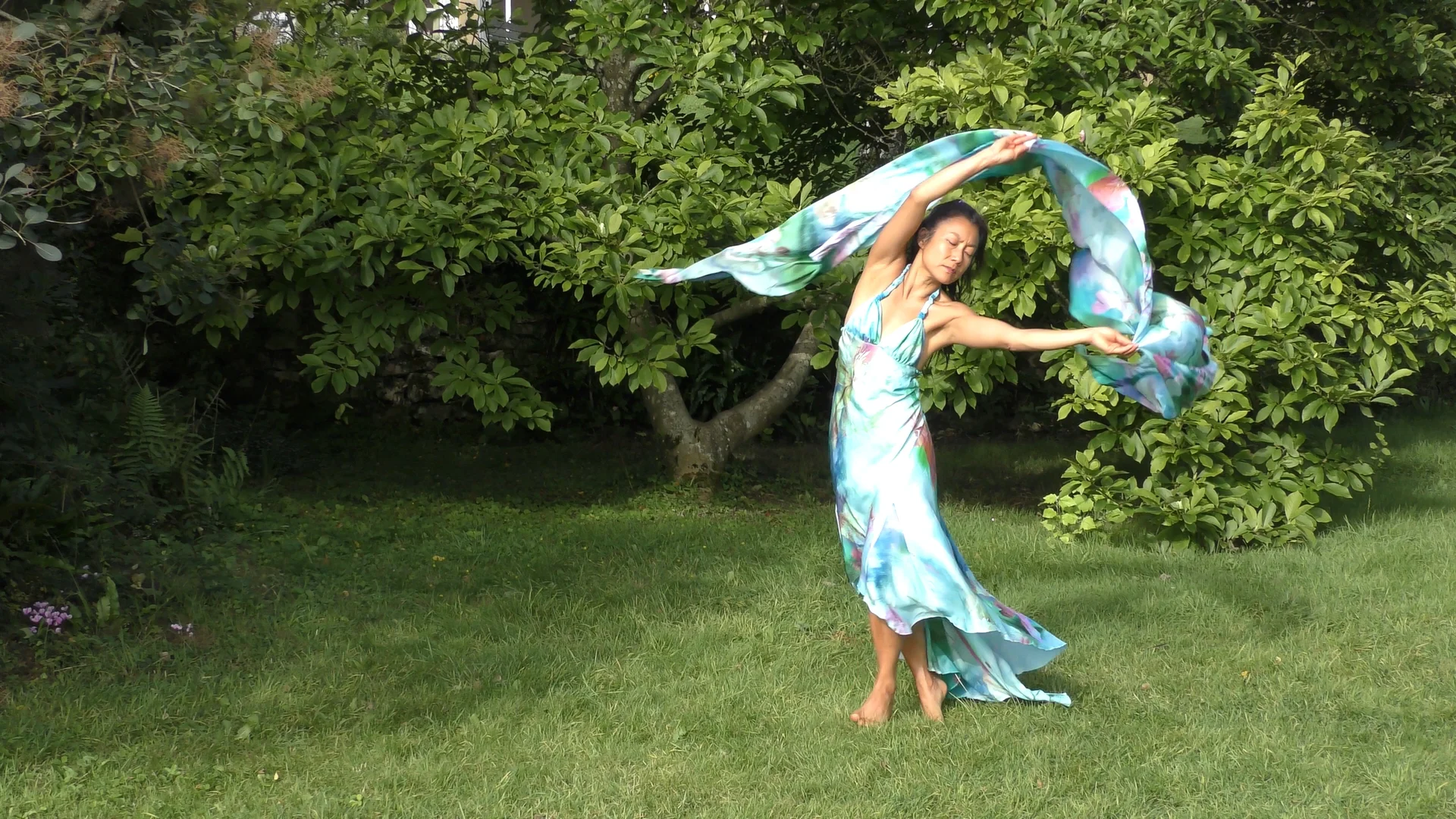

Emotional Integration and the Courage to Feel
When we are very young, before the conditioning has set in, we don’t wait for permission to express what we need. We just express. When children are happy, they are completely happy. When they are upset, they are totally upset. It’s all there, fully present, moving freely through them.
As adults, we learn to temper ourselves. To a degree, that is appropriate, because there is a time and place (normally private) for our emotional outbursts. But somewhere in the tempering, we stop giving ourselves permission to fully feel at all.
This is about finding the tools to stay with strong emotions, without being overwhelmed by them and without shutting them down. To let what arises move through us, not suppress it or amplify it, but simply allow it to pass. You could call this processing, you could call it an integration practice, but in essence it’s being in flow with yourself.
This is rarely acknowledged in professional spaces. Coaches, therapists, creative leaders, people who understand emotion deeply, and who may work with it every day, still need to remember to integrate their own waves of turbulence. We are human after all, and holding onto or repressing our emotions only creates dis-ease. When we hold on, and don’t give ourselves the opportunity for release, this is when the compassion fatigue, the depletion, that sense of flatness can begin to arise. If you recognise these signs of burnout in yourself, then this article is a sister one to that.
Your Own Emotional Landscape
As a professional in a helping or creative field, you are often the last person to apply your own emotional understanding to yourself.
You may know how to hold space for a client’s grief, watch people move through fear and anger in your presence and in doing so, you keep your own responses carefully in check. Over time, that habit of containing yourself can seep into other areas of your life. When you regulate in service of others, this can become a barrier to your own emotional freedom.
If you witness emotions that are taken to great extremes in others, you may become a little numb to your own. You know how one is supposed to be, and you demonstrate that constantly. But what about your own inner landscape?
There may be an unspoken expectation — often your own — that you’re always meant to be regulated, always okay. And yet you came into this work because you know the full extent of the human emotional terrain, often because you have been through a great deal yourself. That’s frequently what brought you to train in the first place, right? Yet somewhere in becoming a professional, we can forget how it felt before, and how freeing it can be to simply allow grief, anger, fear or longing to be expressed and released.
For creatives, emotion is the raw material of your work. You know how to shape feeling into something that resonates with others. But there is a difference between using emotion and fully living with it. If we hold back from truly expressing ourselves from the inside out, our work can begin to feel a little stifled too. Our emotions, when given a real outlet, become a source of the most incredible creative expression. Having a personal creative outlet for what we carry is not indulgent — it is part of what keeps us alive in our work, as well as to ourselves. And without that outlet, that’s perhaps when the compassion fatigue and quiet flatness sets in.
The Body as Container
If we hold back from expressing ourselves, our bodies suffer. We accumulate more tension. We feel more contracted and inflexible — not just physically, but in how we meet situations, and how resilient we can be when things become a little shaky.
By contrast, when we just allow — and it can be through small gestures; simply to observe, to breathe and to release in whichever way feels right and good — we restore our body’s capacity to let our emotion move through us, just like the waves of the ocean.
Emotions are physiological as much as psychological. They live in our breath, in our rhythm, our muscle tone and posture. By moving, something can begin to shift. Fear can turn into action. Anger can become power. Grief can open into compassion. And rather than this expression leaving us feeling vulnerable, having this outlet becomes a source of strength.
Grounding Makes Emotional Depth Sustainable
If we are not connected to our own inner support, we will always feel destabilised. We need those roots steady before we can move from anywhere.
Grounding looks like feeling your feet on the floor, slowing down your exhalation, letting your spine lengthen. It gives the emotion space to land, and when the body feels held and stable, our emotion becomes workable rather than something that overwhelms us.
Dance as Container and Outlet
One of the things that is truly unique about somatic dance is that it gives full permission to just simply be, as well as to express — and this awareness becomes a way of giving from your inner world.
Dance does not have a prescribed aesthetic. It can be spiky or soft, flowing or erratic. It can hold whatever or however our emotions need to be held within this container we call ‘the dance’. It gives permission for our expression to have its full power, and it’s not for others to see, it’s something that is purely and utterly for ourselves.
What is also unique about dance is that our body is simultaneously the medium, the process, and the final ‘product’. Every other art form channels emotion through something external such as a page, a canvas or an instrument. Here, the body itself both is and becomes the art, and what emerges can surprise us.
For those who have spent years working with emotion professionally — as a healer or coach — there is often a depth of embodied emotional experience that hasn’t yet been felt ourselves. We can become very articulate about emotion, very skilled at holding it for others. Yet to actually embody it for ourselves can be an entirely different, and profound new experience of felt knowing.
Patience and Compassion as Strength
There is strength in staying with what arises. Strength in not forcing resolution. Strength in allowing yourself to feel what is present without turning on yourself for feeling it.
Self-compassion regulates our nervous system. When we meet ourselves with curiosity rather than harshness, our body softens. Our breath deepens and we become less reactive. Emotional depth does not have to be something heavy. Instead it is a gateway to the thread of life itself — the dance as a gateway to joy, to grief, to love and to power. When our inner range expands, we can feel more without becoming overwhelmed. We can stay grounded without becoming rigid.
In this practice of emotional integration, it can settle into an inner alignment; a presence, a way of being where we are authentic and live with vibrant sustainability.
What This Actually Changes
As emotional integration deepens, something shifts in how you communicate and how you show up. You are less guarded, and that guardedness was costing you energy you didn’t know you were spending. Sessions feel less effortful. Your creative work becomes more alive, more instinctive, less pre-filtered. The decisions that used to spiral into overthinking resolve themselves more cleanly, because you have direct access to what you actually feel.
And there is a quality of presence that those around you begin to notice. Not because you are performing confidence, but because you are less defended. The heart’s intelligence — which is not sentiment, but a genuine capacity for clarity, compassion, and creative truth — becomes more consistently available. That is what people feel when they are in your presence. And it is what makes the work unmistakably yours.
Ready to explore your own emotional range in a held, embodied space? [The Heart of the Matter playlist] on YouTube. If you’re also experiencing going through the motions in your work, or recognise therapist burnout as part of your experience, those articles speak directly to this one.
Frequently Asked Questions
I teach this to clients. Why can’t I access it for myself?
This is one of the most common and least-spoken experiences in helping and creative professions. Knowing something intellectually and inhabiting it are two different capacities. Embodied practices — movement, somatic awareness, physical grounding — work at the level where the pattern actually lives, which is why they reach what insight alone cannot.
What is the difference between compassion fatigue and burnout?
Compassion fatigue vs burnout is a distinction worth understanding. Burnout tends to develop gradually from workload and systemic pressure — a depletion of energy and motivation over time. Compassion fatigue is more specific: it arises from the emotional cost of caring, of absorbing others’ pain and distress through the work of holding space. Many coaches, healers, and therapists experience both simultaneously — and both respond well to embodied, somatic practice that helps the nervous system discharge what it has been carrying.
What is emotional integration?
Emotional integration is the ability to experience feelings fully without suppressing them or being overwhelmed by them. It allows emotions to move naturally through the body while you remain grounded.
How does movement help with emotional release?
Emotions are stored in the body. Intentional movement, including somatic dance, helps discharge what has been held, restore grounding, and support compassion fatigue recovery — without forcing expression or requiring you to narrate what you feel.