
Therapist Burnout, Healer Depletion, and How to Lead From the Inside Out
Before you lead others, there is a more foundational question.
Can you stay connected to yourself when you are in deep relationship with someone else? Can you stay true to your own beliefs, present to your needs, and keep your boundaries clear — while also being fully present and responsive to what another person needs?
Coach and therapist burnout, and the quieter, less-named version of it that leaders and creatives also experience rarely looks like collapse. Rather it is a gradual depletion that creeps up on you silently. You show up fully for others while quietly you are running on empty. And if you recognising these wider signs of burnout in what you’re reading, you’re not alone.
When you are a giver by nature and by profession, you are naturally oriented toward service. You know how to stay resilient and steady to hold space for others — that is the beauty of what you do. But this is about being able to do all of that and still stay in service to yourself.
When Giving Becomes Giving Yourself Away
Your training has prepared you to regulate your nervous system in readiness for your clients, but it has rarely given you the tools to resource yourself. If you are always giving more than you are receiving, resentment can quietly set in. Not dramatically. There’s just this familiar sense of tiredness. A sense of feeling drained that isn’t being replaced.
There is often an unspoken expectation that to be a good healer or coach you are selfless, and this becomes an internal ‘given’. However, staying present and competent is one thing. Staying resourced and creatively full is another. You cannot offer genuine presence when your cup is empty. Rather than feeling it is indulgent, filling your own cup first is what makes everything else sustainable. What many helpers experience is in fact a compassion fatigue — the specific cost of caring, that builds up over time.
For creatives and leaders, the challenge looks different but runs just as deep: having the capacity to stand behind your own work and decisions, sometimes without anyone there to validate it. When you are the one others look to, who is the one that supports you? This kind of self-leadership is where you stay in integrity to yourself, and keep trusting in your own knowing — a foundational embodiment piece.
Authority Without Hardness: The Warrior Stance
There can be the fear that if we stay true to ourselves, hold clear boundaries and have authoritative self leadership, we might come across as unyielding or unsympathetic, but that doesn’t have to be the case.
In fact, when we are overly accommodating, the trust erodes and people feel less held. Just as children need parents to hold clear boundaries to feel safe, we also need to parent ourselves; to know and be clear about what we hold space for, what we believe in, and what we stand for.
True authority comes from a grounded place that is calm, clear and warm. It does not over-explain or apologise for itself. It simply stands firmly in its own right.
This matters especially for thought leaders and creatives. There is no textbook for true originality, no guru to look up to for the specific thing you are bringing into the world. Sure we are shaped by past teachers and ideas, but if you are creating something new, it has come from you — which can be both exhilarating and frightening. This is precisely when you most need to have those inner threads of support, to be able to stand your ground.
The Art of the Pause
To stay connected to ourselves, we have to slow down enough to listen inward. When we drop in deeper, in a somatic way, we allow what I’d call the art of the pause.
This is that moment of conscious breath before we respond. We give ourselves a moment to take stock, to pause before we allow ourselves to be triggered, let our emotions run ahead of us and fall back into those old familiar patterns. This is where our self-regulation begins. We can begin to recognise our own behaviours, and how our history can affect how we show up. We are empowered to have choice.
This means that in those charged moments, when all eyes are on you, you can still hold your ground. You have the right to take that simple pause.
Preserving Your Fire
Self-preservation is not self-indulgence. It is an ethical necessity.
Depletion is not always about working too many hours. It can be about giving — your attention, your presence, your nervous system — without taking the time to be nourished yourself. I have already talked about the art of the pause before a crucial moment. But we can extend that to take pauses throughout the day, create space in between making decisions, and cultivate giving yourself space through a movement practice. This protects time that is solely for you. Time for your self-care, your pleasure and your play.
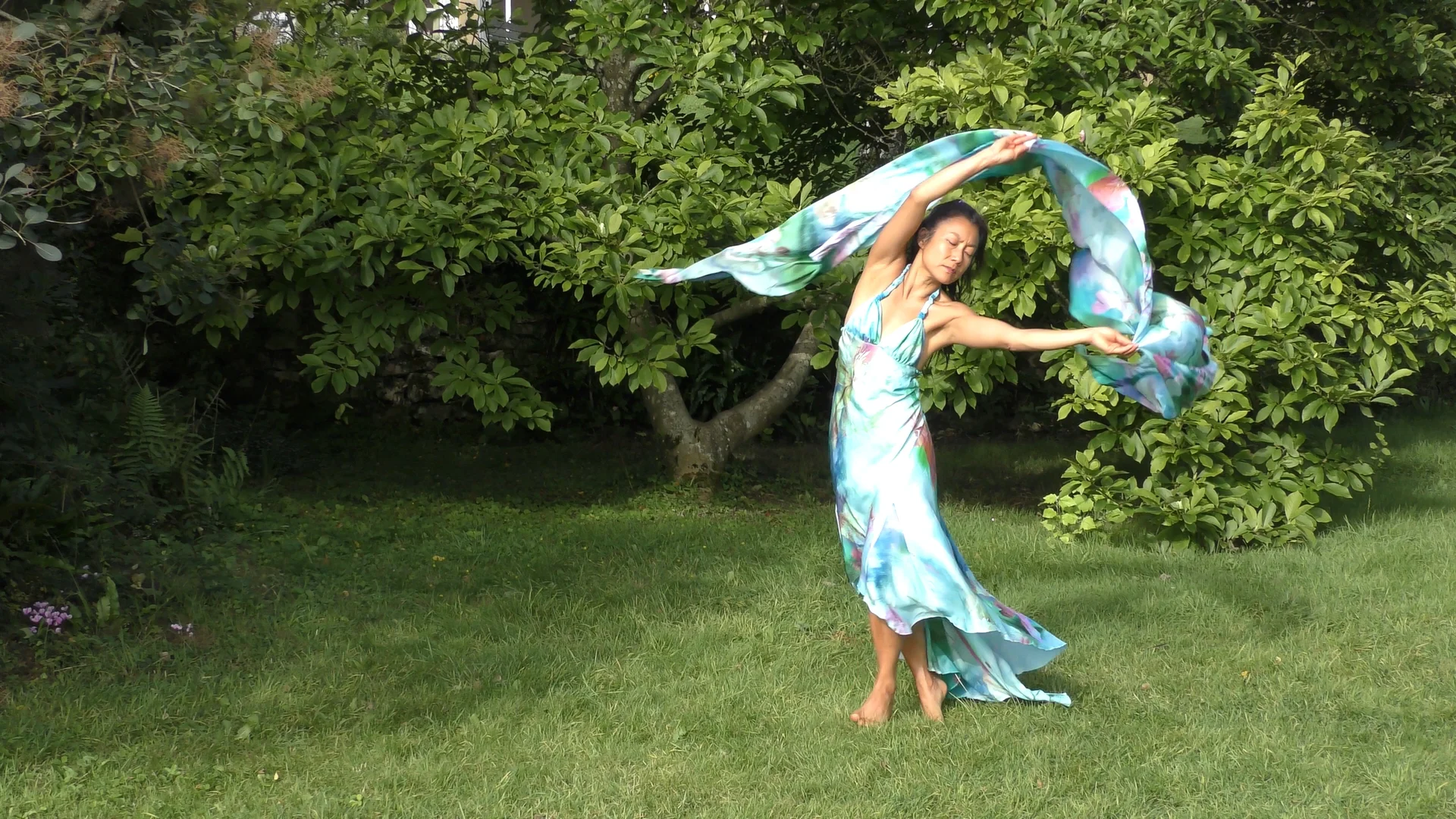
Put on music and begin to move. Allow your body to enjoy and connect back into something luscious, sensory and yes perhaps just a tad self-indulgent.
When you allow these moments of reconnection, you reconnect to something you have put aside in your years of busyness and efficiency. You remember your aliveness. And rather than leading from tension, you can lead from a place of feeling relaxed, agile and resilient.
Practical Ways to Find Your Ground
Come back to you and your centre before you have important conversations or decisions to make. Stay connected to the earth and to your breath.
Practice taking a pause, especially when you feel the pull to react or over-explain, and the more charged the moment is, the more you need this space.
Move your body after sessions, after giving or after conflict. Take a walk. Shake out your tension. Switch out your environment — these are small but important acts of professional care.
When your self-leadership is grounded in your body, you can still stay connected and true to you while remaining open to others. And lead from a place that is authentic, present and alive.
What This Actually Changes
When self-leadership is grounded in the body, the external changes are real and observable. You hold boundaries more easily — not because you’ve rehearsed the right words, but because you know your own ground. You communicate with more authority and less over-explanation. Decisions that used to feel difficult become clearer, because you are listening to your instincts rather than overriding them.
People experience you differently. Not as harder, but as more solid — more genuinely present. Your clients feel held in a different way. Not by your management of yourself, but by your actual presence. And the heart of your work — the reason you came into it in the first place — becomes available to you again.
Explore the practice of embodied leadership through movement. [The Ground of Leadership playlist] on YouTube — and discover how somatic dance builds this from the inside out.